Providence University is dedicated to the preservation and promotion of intangible cultural heritage, encompassing local customs, traditions, languages, and knowledge. By integrating these elements into its academic and extracurricular programs, the university aims to raise awareness and foster appreciation among students and the broader community. Initiatives include workshops, seminars, and cultural festivals that highlight traditional crafts, storytelling, and folk performances. Collaborative projects with local communities and cultural organizations further support these efforts, ensuring that invaluable cultural practices and knowledge are passed down to future generations. Additionally, the university's research centers document and study these traditions, contributing to their preservation and dissemination. Through these multifaceted approaches, Providence University plays a vital role in sustaining the rich cultural heritage of the region, fostering a deep connection to the past while encouraging its relevance in contemporary society.
Local or regional cultural heritage
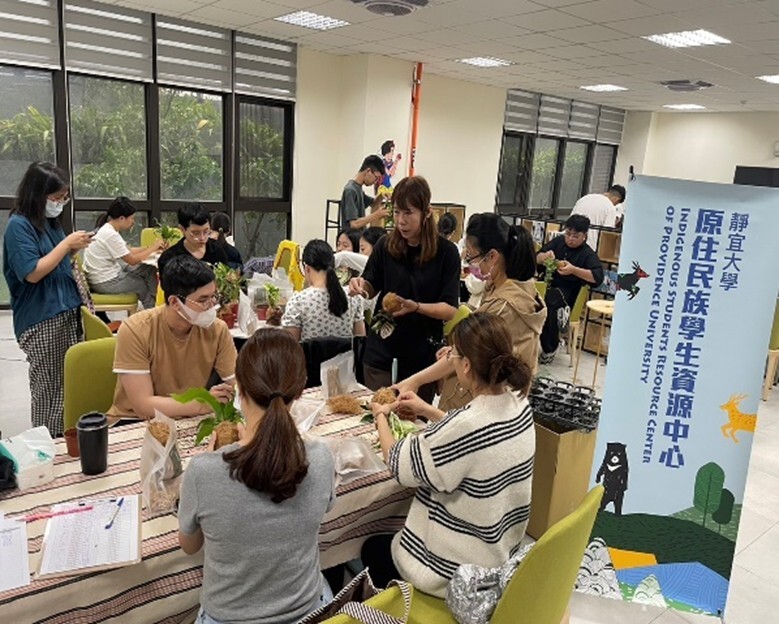
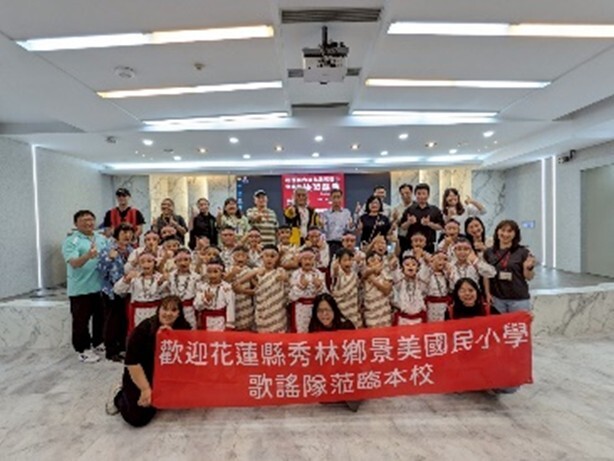
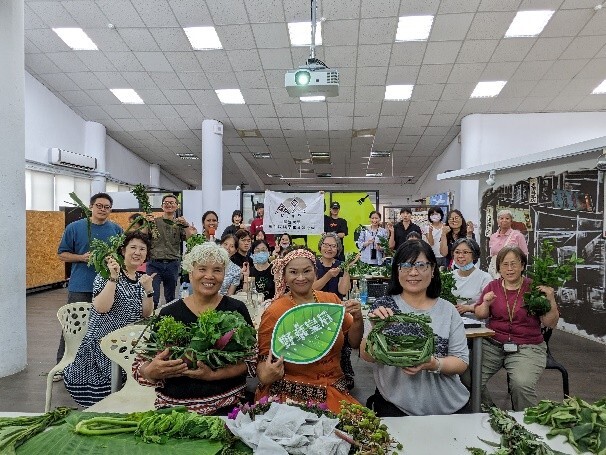
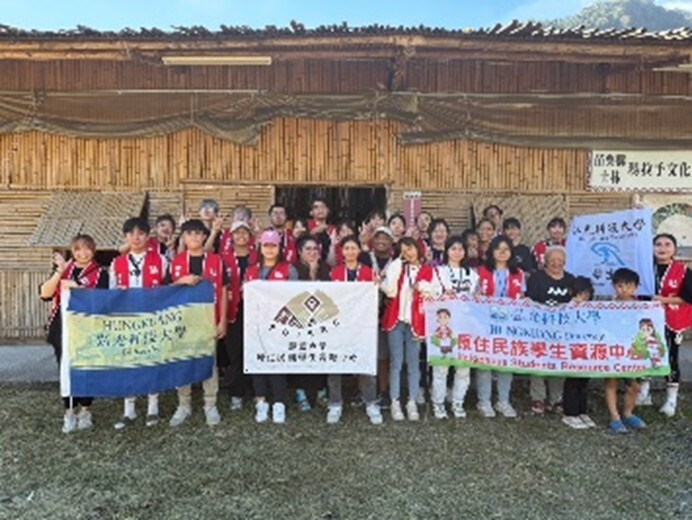
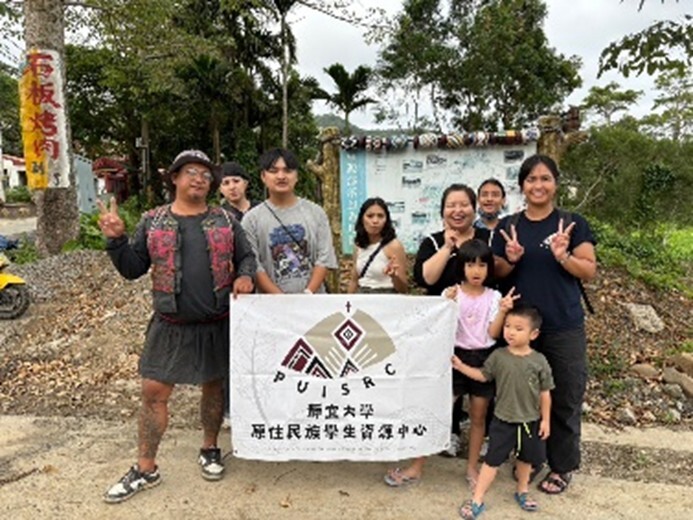
In accordance with the "Education Act for Indigenous Peoples" PU has established the Indigenous Students Resource Center. The center holds various activities throughout the year, including language, dance, and culinary events, as well as visits to tribal communities. These activities allow participants to learn about and preserve the history and lifestyle of indigenous peoples.
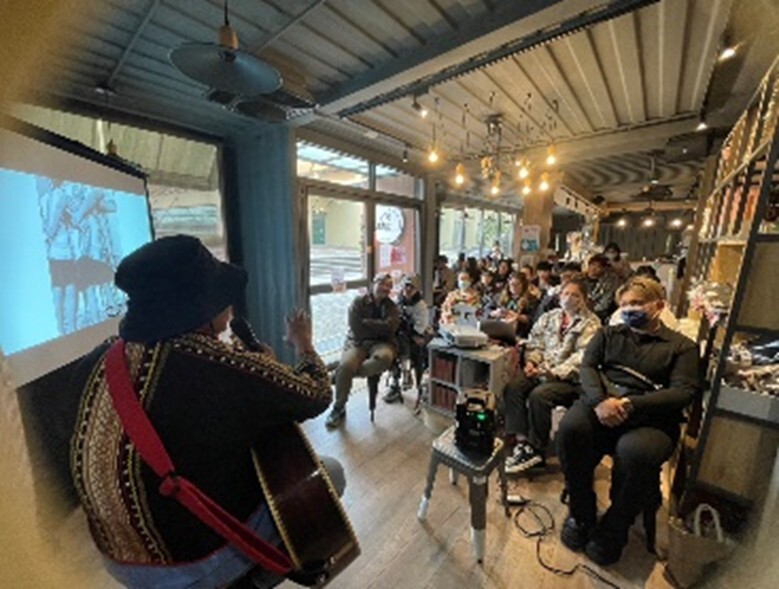
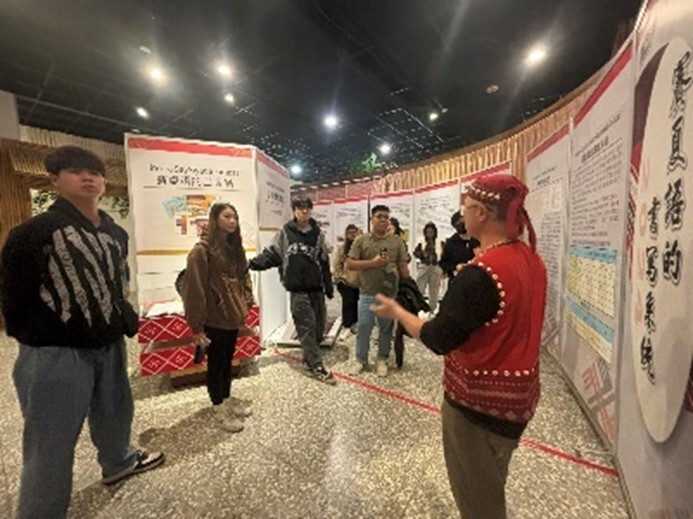
To gain a deeper understanding of Indigenous lifestyles and cultural traditions, we organize visits to Indigenous communities to learn about their unique customs, craftsmanship, and traditional rituals. Through these field trips, these valuable cultural heritage elements are directly observed and learned. Interacting with community members or elders provides us with a more authentic cultural experience. Providence University invites experts, scholars, and Indigenous representatives to deliver various lectures on Indigenous knowledge, culture, music, and dance. These lectures enable us to gain deeper insights into Indigenous history, folklore, and contemporary challenges. They not only enhance public awareness of Indigenous culture but also foster cross-cultural dialogue and understanding.
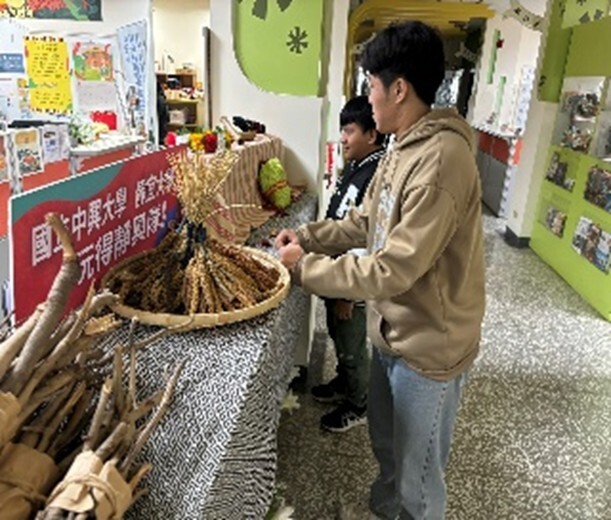
Art exhibitions are another crucial way to showcase Indigenous culture. By displaying traditional crafts, paintings, and sculptures, we can directly experience their cultural features and creativity. These exhibitions not only attract more attention to Indigenous art but also help preserve and transmit skills that may otherwise fade due to modernization. In the 2024 academic year, a total of 41 events were organized including lectures language, dance, and culinary events, as well as visits to tribal communities, with 890 participants.
National cultural heritage - Program and research projects in Indignous Cultural
Providence University collaborated with the Seediq National Assembly to innovate higher education through the establishment of the Seediq Education Committee. This collaboration involved intensive discussions on cultural heritage courses for the Seediq tribe, visits to elders, and the recording and organizing of course themes on heritage. In 2018, Providence University received approval from the Ministry of Education to establish the "Master's Degree Program in Indigenous Cultural Studies" (https://ic.pu.edu.tw/p/403-1033-911.php?Lang=zh-tw). Our campus provides a supportive educational environment and this program focuses on cultural heritage, emphasizing the close integration of indigenous knowledge systems with contemporary issues. By using the concepts of "The Tribe as Classroom" and "Culturally Responsive Teaching," we conduct primary teaching activities within indigenous traditional terriories, such as tribes or hunting grounds. We develop cultural heritage courses and incorporating community-based education principles. Additionly, by using modern tools (such as video and written documentation, and field research), the program develops new ways of cultural transmission and aims to nurture students to have a profound understanding of their respective indigenous cultures and knowledge systems.
Heritage of displaced communities
The EU "Taking Care Project" is developed based on the principles of sustainability, equality, and openness. Providence university has partnered with the Seediq National Council and the Swedish National Museums of World Culture to jointly execute the EU "Taking Care Project." We have signed a memorandum of understanding, adhering to the guidelines of the United Nations Declaration on the Rights of Indigenous Peoples and the Indigenous Peoples Traditional Knowledge and Creative Protection Act. The collaboration among the three parties—utilizing contemporary technology, cultural artifacts, and public engagement—aims not only to revitalize cultural relics but also to establish relationships of mutual respect and equality. Moreover, this partnership aspires to set a precedent for future cultural exchanges, exploring the possibilities of further knowledge construction and the establishment of sustainable relationships.
In the 2023 academic year, Providence University's Seediq Knowledge Research Center, in collaboration with the Council of Indigenous Peoples of the Ministry of Culture, the Indigenous Peoples Cultural Foundation, and the Museum of the Institute of Ethnology at Academia Sinica, jointly organized the "Indigenous Knowledge Construction and Digital Museum: Reflections on the EU ‘Taking Care’ Project in Taiwan" international forum. The forum featured guest speakers such as curators from the Swedish National Museums of World Culture, professors from Australia's Batchelor Institute of Indigenous Tertiary Education, Dr. Erna Lilje from the Tropenmuseum in the Netherlands, who represents the Taking Care Project, the curator of Indigenous Knowledge and Material Culture from the Wereldmuseum in the Netherlands, and Marenka Thompson-Odlum, the representative of the Taking Care Project from the Pitt Rivers Museum in the UK. The forum also included presentations and exchanges with various Taiwanese Indigenous elders and university professors dedicated to the preservation of Indigenous culture.