
|
|
|
|
|
|
|
17.2.4 Collaboration for SDG best practice
- The EU "Taking Care Project"
Link 2 : Indigenous Knowledge Construction and Digital Museum: Reflections on the EU “Taking Care” Project in Taiwan Forum
Link 3 : Seediq Centenary Artifacts in Sweden
Link 4 : Taiwan's Seediq Tribe Collaborates with Sweden's National Museums of World Culture for the "We Are Seediq" Digital Exhibition
Link 5 : Open Museum
To facilitate mutual learning and establish a foundation for future exchanges between Indigenous communities and international museums, the following workshops, roundtable meetings, and international forums were organized in 2024 academic year:
From July 18 to 29, 2024, representatives from the Seediq, Atayal, and Bunun communities traveled to the Netherlands, Austria, and Germany to participate in the “Strengthening the Indigenous Knowledge System: Expanding Seediq Collaboration with International Museums” program. Activities included a Seediq language roundtable forum at a Dutch museum to discuss future collaboration models and mechanisms with EU museums, as well as visits to museums in Vienna and Germany to explore opportunities for expanded partnerships with European institutions.
Link 1 : https://news.ipcf.org.tw/130962
On November 19, 2024, the “International Museums and Taiwan Indigenous Peoples Collaborative Exchange Workshop” was held at the Alang tongan – Green Birth Farm. The workshop brought together international museum researchers and Taiwanese Indigenous scholars to engage in cultural exchange, enabling both Indigenous communities and international museums to share cultural knowledge and lay the groundwork for future collaborations.
To deepen mutual understanding and enhance collaboration, the “2024 International Forum for Exchange and Knowledge Return between Taiwan Indigenous Peoples and International Museums” is planned for November 29 to December 1, 2024. This event aims to build on the outcomes of previous exchanges and further expand the construction of Indigenous knowledge systems in Taiwan.
 |
 |
 |
 |
 |
 |
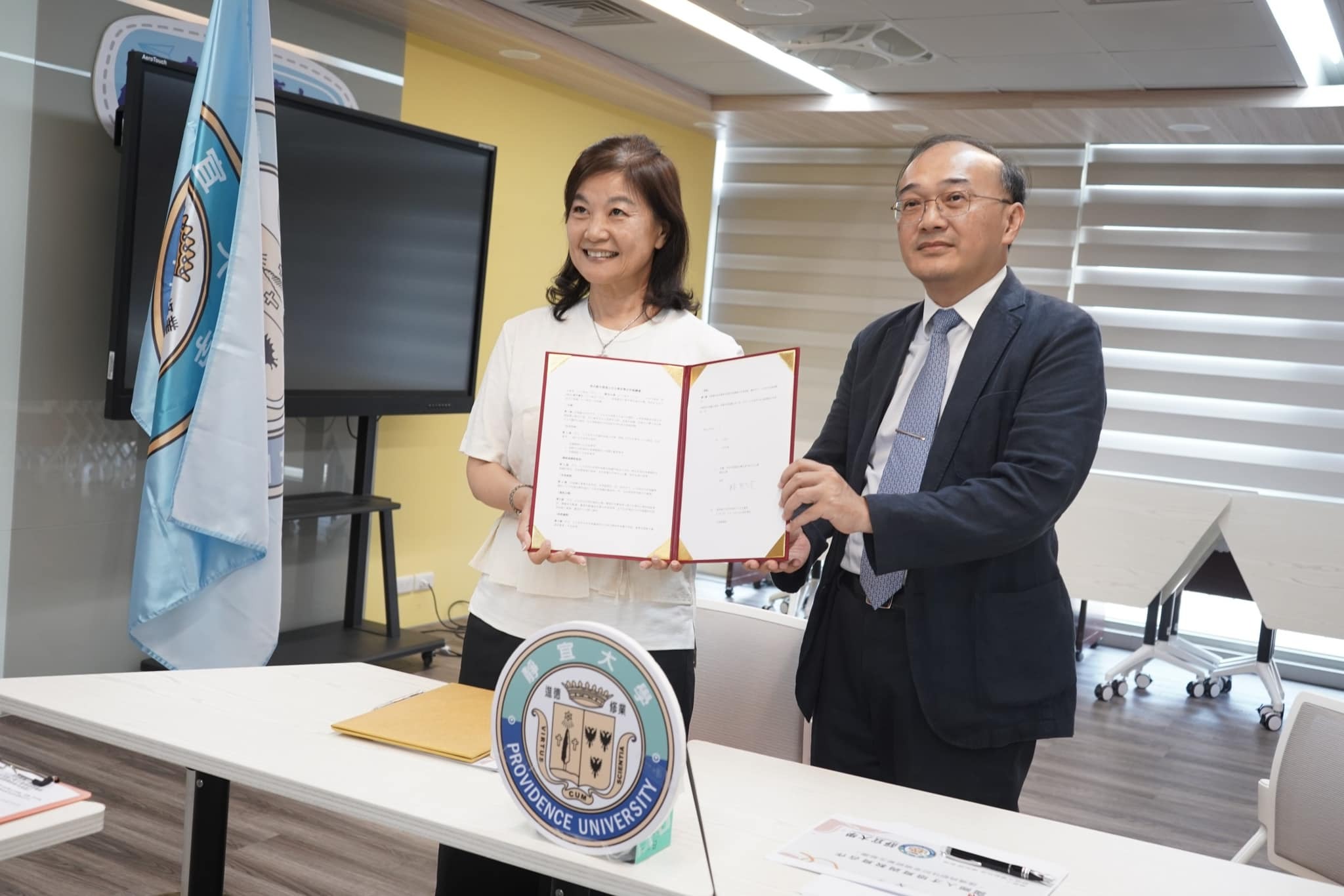
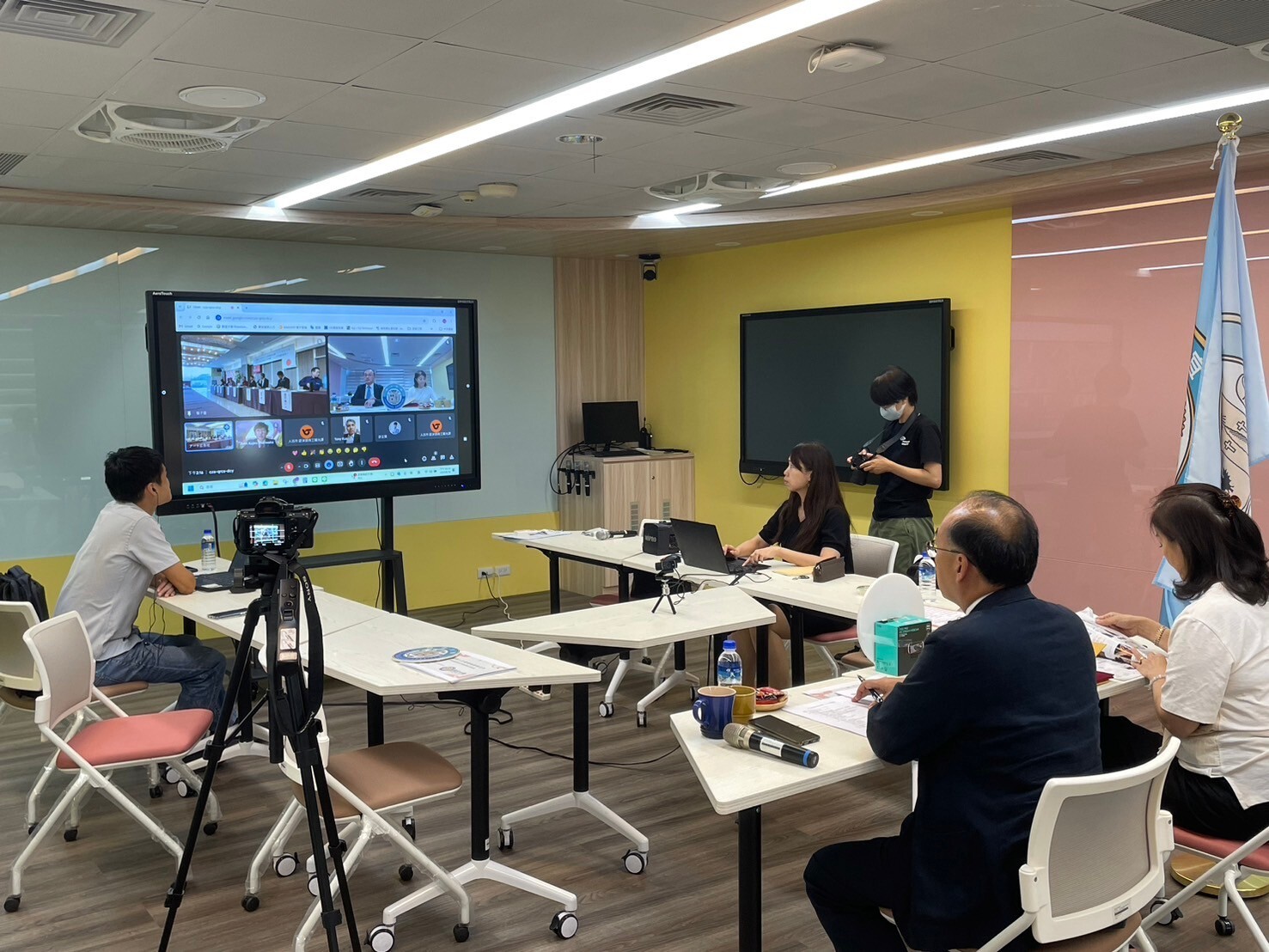
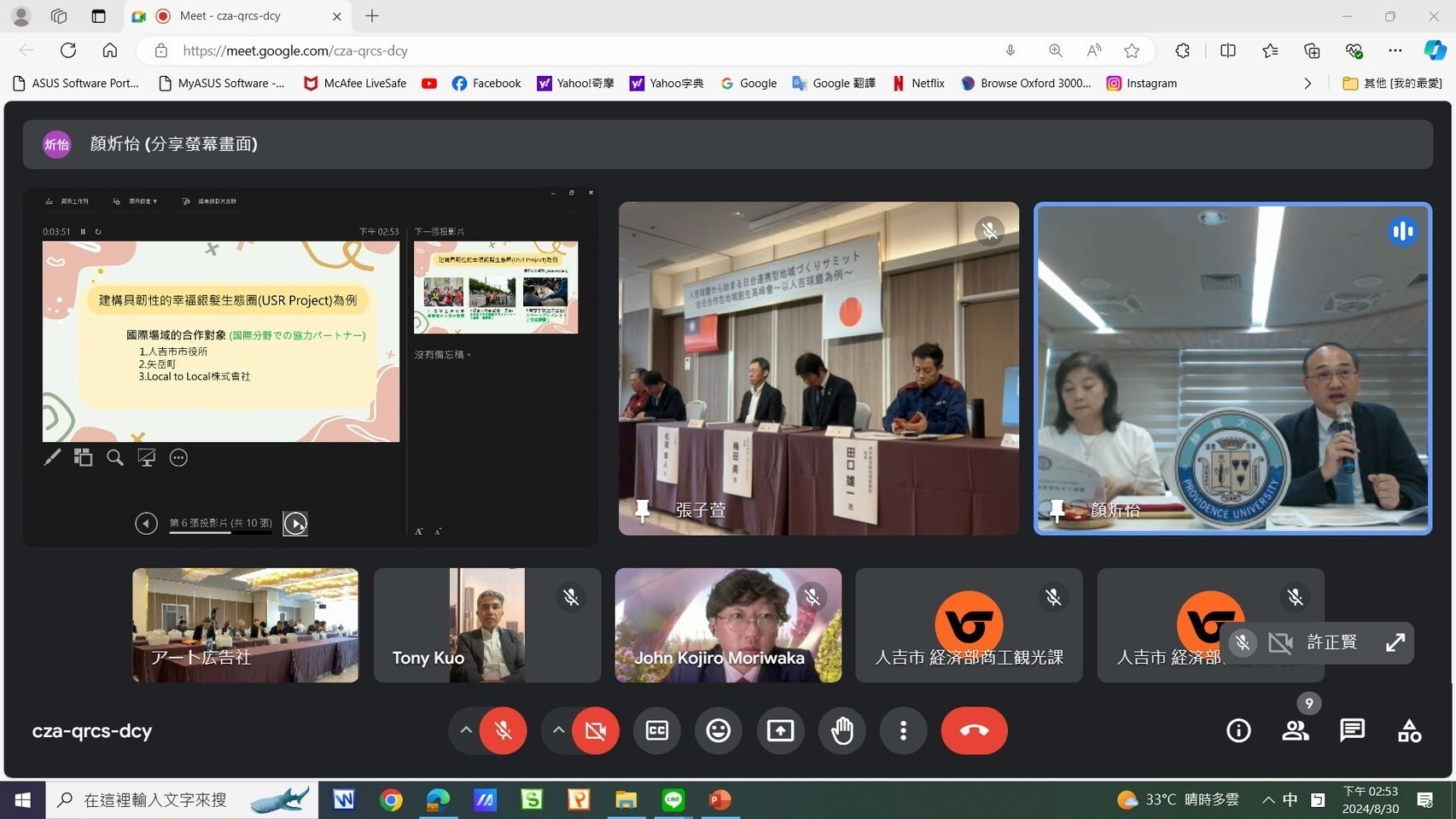
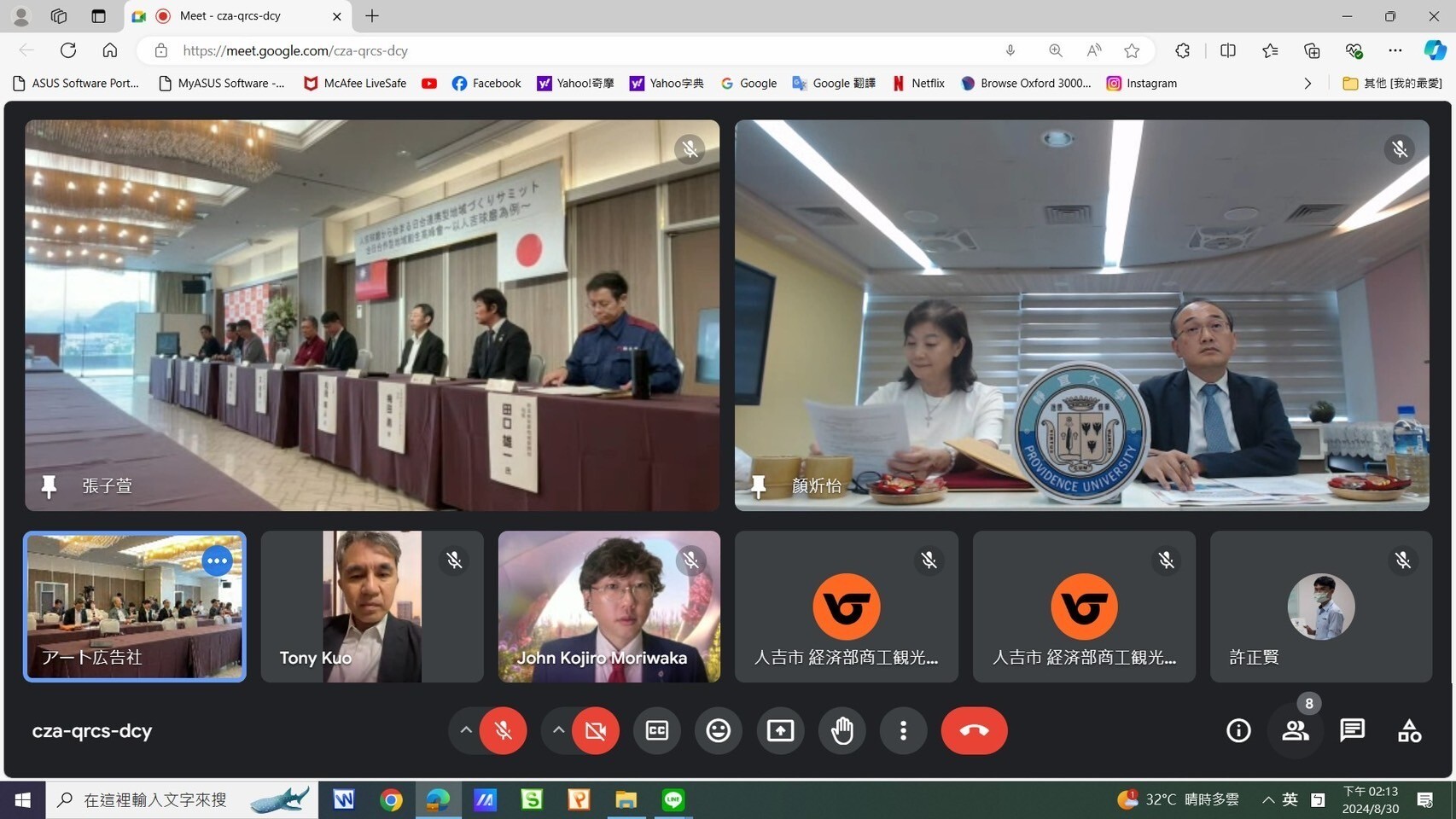
- Memorandum of Understanding (MOU) signed between Providence University and Hitoyoshi City in Kumamoto Prefecture, Japan. (2024.8.30)
Yatake Town is a remote mountain village located in Hitoyoshi City, Kumamoto Prefecture, Japan, accessible only by an additional 40-minute drive from the city center. It is home to Yatake Station, the highest point on the former Japanese National Railways line, now part of the JR Kyushu Hisatsu Line. However, the area suffered severe damage during the torrential rains of 2020 and has yet to fully recover. As a result, Yatake has been designated by the Japanese government as a “marginal village,” a term used to describe communities facing rapid depopulation and the collapse of social infrastructure.
Hitoyoshi Mayor Hayato Matsuoka has faced numerous major disasters, including the 2016 Kumamoto earthquake, the devastating 2020 floods with rainfall reaching 80 mm per hour, and the COVID-19 pandemic. These events have caused immense hardship, breaking apart countless families and posing significant challenges to local reconstruction. Although officially classified as a city, Hitoyoshi more closely resembles a small town, with a population of just over 31,000—qualifying it as a “marginal village” under Japan’s official criteria.
Yatake Town is grappling with a severe demographic crisis. More than 50% of its population is aged 75 or older, reflecting an ultra-aged society. At the same time, declining birth rates have led to a significant outflow of younger residents, exacerbating population decline and labor shortages. These challenges underscore the urgent need for regional revitalization.
To reverse the trend of depopulation and community decline, Yatake must adopt innovative and sustainable revitalization strategies. These include revitalizing local industries, attracting young people to return and settle, and strengthening community care and infrastructure. Only through such efforts can this resilient mountain village regain vitality and move toward a sustainable future.
On August 30, 2024, Providence University proactively signed a Memorandum of Understanding (MOU) with Hitoyoshi City in Kumamoto Prefecture, Japan. This partnership also includes LOCAL TO LOCAL Co., the Kuma Regional Promotion Bureau, Taipei Chung Tung Rotary Club, Hitoyoshi Central Rotary Club, and the Taipei Economic and Cultural Office in Osaka (Fukuoka Branch). Together, we launched field research and community care initiatives for the elderly in Yatake Town, aiming to strengthen cross-sector collaboration. The partnership aligns with the United Nations Sustainable Development Goals (SDGs), particularly SDG 3 (Good Health and Well-being) and SDG 11 (Sustainable Cities and Communities), by promoting elderly care through home visits, health programs, and social engagement. It also supports SDG 10 (Reduced Inequalities) by addressing age-related social exclusion, and SDG 17 (Partnerships for the Goals) by fostering cooperation among governments, NGOs, businesses, and communities. This collaboration not only addresses pressing demographic challenges such as aging and population decline but also emphasizes the role of education and international talent development in advancing sustainable regional revitalization.
 |
 |
 |
 |