
|
Before
|
 |
 |
 |
|
After
|
 |
 |
 |
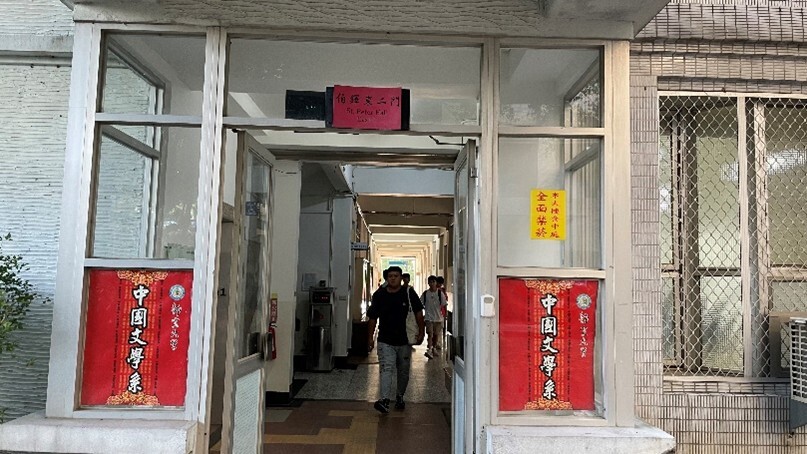
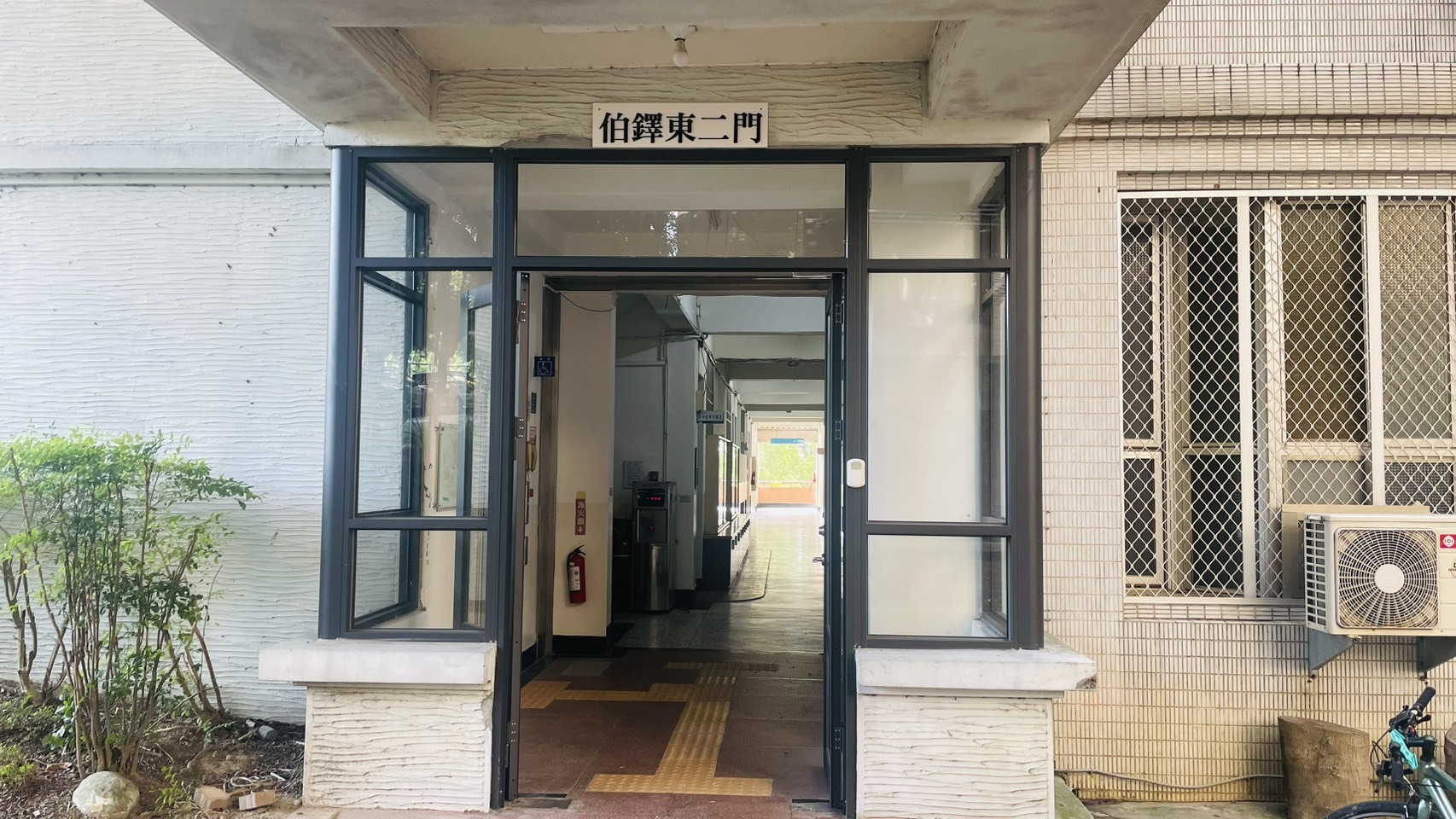
In the 2024 academic year, renovation work was carried out on the entrances and exits of the St. Peter Hall, which houses the College of Foreign Languages and Literature. Since its completion 37 years ago, the building’s doors and windows have become warped and deformed due to age, with some window frames unable to open. In addition, the exterior wall lights at the entrances have deteriorated over time, resulting in poor illumination and potential safety concerns.
The renovation project aims to reinforce and restore the doors and windows of the St. Peter Hall to ensure smooth operation, improve air circulation and natural lighting in the lobby, and create a bright and refreshed teaching environment. It also enhances nighttime safety for faculty and students, providing a high-quality and secure learning and teaching space.
| Before | 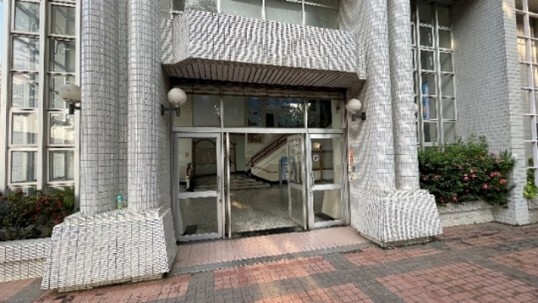 |
 |
| After | 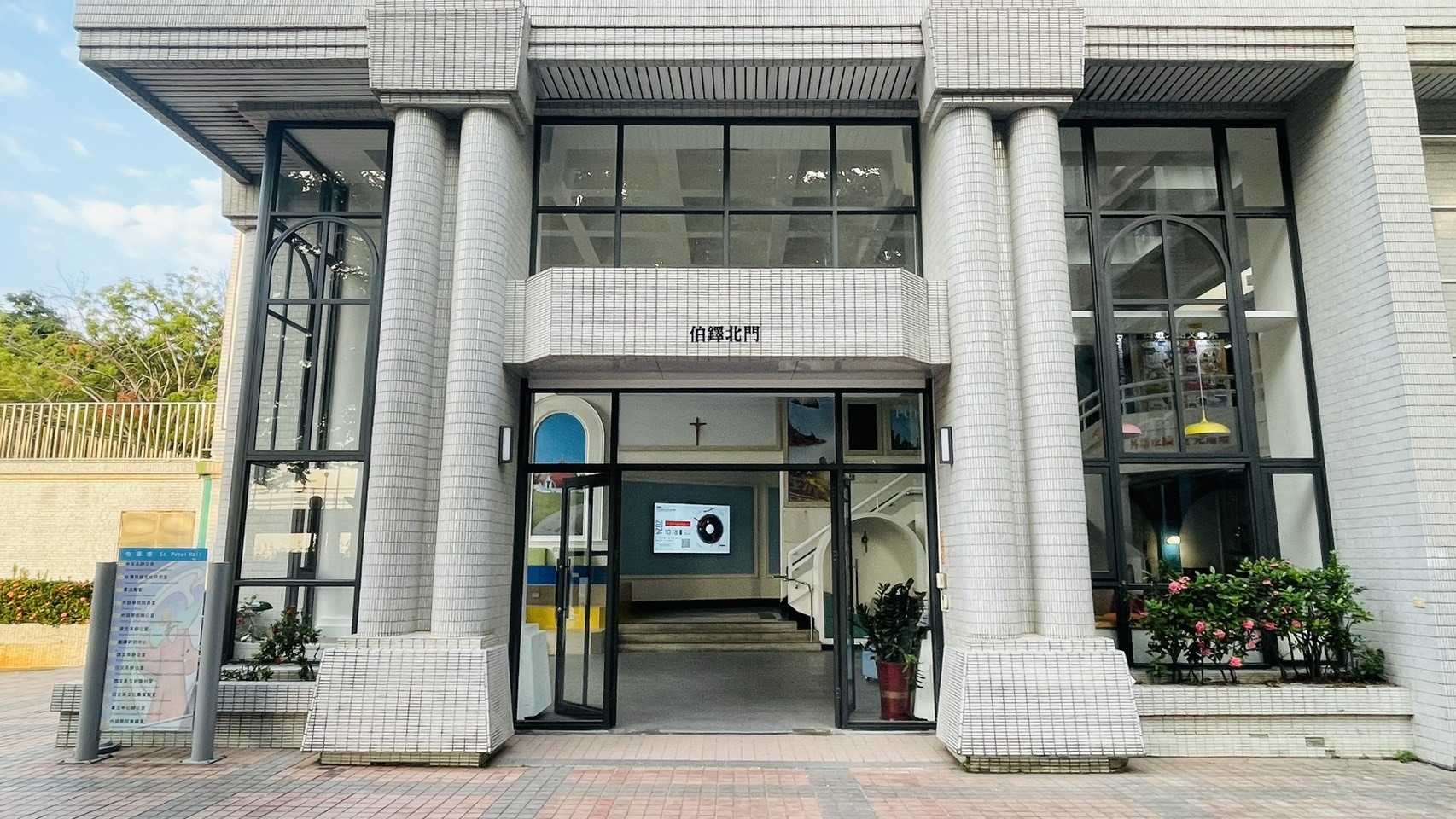 |
 |
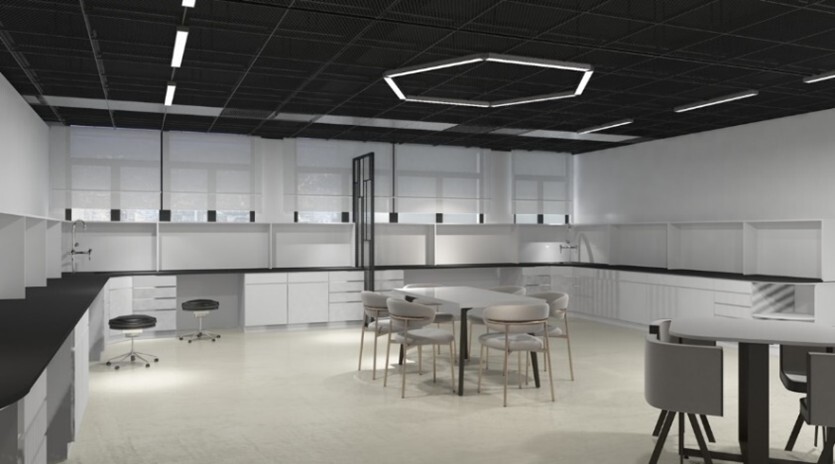
In the 2024 academic year, the renovation project of Jing-An Hall #214, the “Cosmetic Makerspace,” provides a dedicated teaching and practical base for the Department of Cosmetic Science. The space is designed to enhance students’ self-directed learning abilities through an exploratory learning model. It hosts innovative micro-credit courses and hands-on cosmetic workshops to stimulate students’ intrinsic motivation for learning.
This makerspace offers a creative and inspiring environment that fosters innovation and encourages students to engage in inquiry-based, self-directed learning for higher-quality learning outcomes. During their studies, students gain practical experience in the complete process of cosmetic development—from research and testing to product design—enabling them to build comprehensive professional skills. The facility also helps students seamlessly transition into advanced studies or the cosmetic industry while strengthening interdisciplinary knowledge integration and practical application across courses.
| Before | 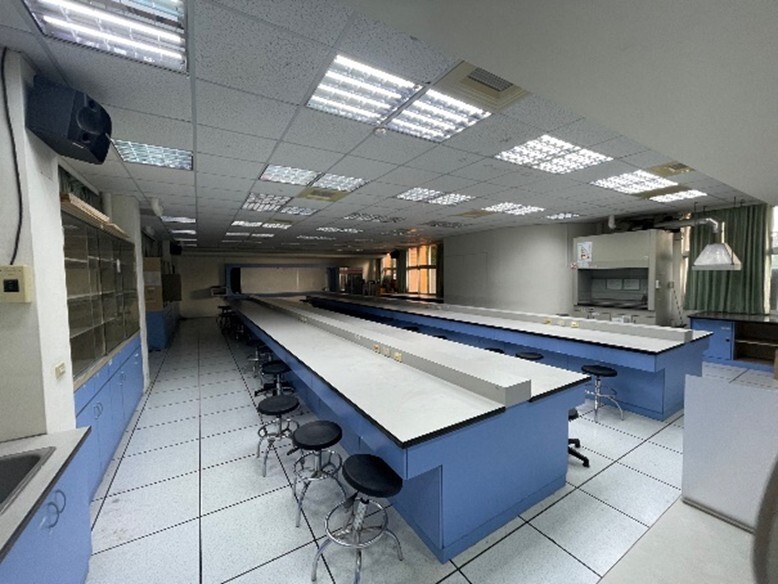 |
|
| After | 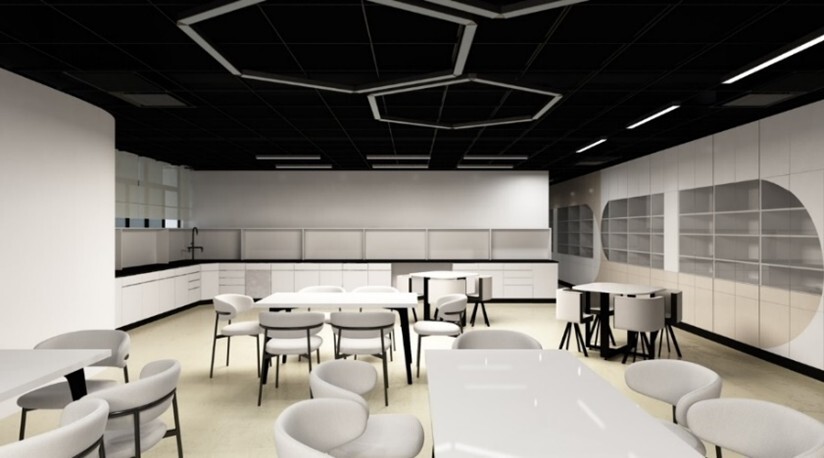 |
 |